Tata Company History: A Legacy of Innovation and Excellence
Introduction
The Tata Group is one of India’s most iconic and respected conglomerates. Founded in 1868 by Jamsetji Tata, the company has played a key role in the development of India’s industrial and economic landscape. Today, the Tata Group is a global powerhouse, with businesses spanning multiple industries, including steel, automobiles, technology, power, chemicals, and hospitality. This blog will explore Tata Group’s history, its subsidiaries, the key industries it operates in, and what makes this company such an integral part of India’s growth story.
What Is Tata Company Limited?
Tata Group, often referred to simply as Tata, is a multinational conglomerate company based in Mumbai, India. The company operates across a wide range of sectors, from manufacturing and information technology to automobiles, chemicals, consumer goods, and hospitality. Tata Group is known for its strong values, commitment to innovation, and leadership in the industries it operates in. It has a global presence, with operations in over 100 countries around the world. Tata companies are recognized for their contributions to economic growth, social welfare, and sustainable business practices.
Open Demat Account and Start Trading!
History of Tata Group
Tata Group was founded in 1868 by Jamsetji Tata, a visionary entrepreneur who believed in building businesses that would positively impact India. Jamsetji Tata’s first business venture was the establishment of a textile mill in Mumbai. Over time, he expanded his interests to include a variety of industries, including steel, power, and education. After his death in 1904, his sons continued his work, making the company a giant in the Indian and global markets. Tata Group went on to establish India’s first steel plant, Tata Steel, in Jamshedpur, which became a key player in India’s industrial revolution.
Over the years, the Tata Group has expanded its reach and acquired major companies, making it one of India’s most well-known conglomerates. Today, it continues to lead with a diversified portfolio of businesses and global expansion.
Timeline of Tata Company Limited
-
1868: Tata Group was founded by Jamsetji Tata with the vision to create businesses that would transform India.
-
1907: Tata Steel, India’s first steel plant, was established in Jamshedpur.
-
1945: Tata Group began expanding internationally and entered the aviation industry.
-
1990s: Tata Group grew rapidly, especially with the entry of Tata Consultancy Services (TCS), an IT giant that helped India become a global IT powerhouse.
-
2000s: Tata Group made significant acquisitions, such as purchasing Jaguar Land Rover and Corus Steel, making its mark on the global stage.
-
2020s: Tata Group continues to grow, focusing on digital transformation, sustainability, and diversification across sectors.
Subsidiaries of Tata Company Limited
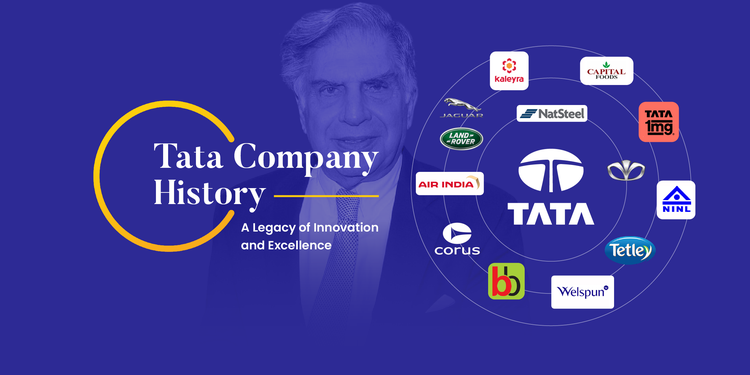
Tata Group has many subsidiaries, each contributing to the company’s growth and success. Some of the most important subsidiaries of the Tata Group include:
-
Tata Consultancy Services (TCS): Tata Consultancy Services (TCS) is one of the world’s leading IT services and consulting companies. It provides technology solutions to businesses globally and is the largest company in India by market capitalization.
-
Tata Motors: Tata Motors is a multinational automobile manufacturer known for cars, trucks, buses, and electric vehicles. It is the maker of the Tata Nano, the world’s cheapest car.
-
Tata Steel: Tata Steel is one of the largest steel manufacturers globally. It produces a variety of steel products used in construction, automotive, and other industries.
-
Tata Power: Tata Power is one of India’s largest private power companies. It focuses on renewable energy and is a leader in the clean energy sector.
-
Tata Chemicals: Tata Chemicals is involved in manufacturing chemicals used in various industries, such as agriculture, food, and industrial applications. It is a significant player in the chemical industry.
-
Tata Global Beverages: Tata Global Beverages is known for its brands like Tata Tea and Tetley, and is a leader in the global beverage industry.
-
Tata Hospitality: Tata also has a strong presence in the hospitality industry, with its popular brand, Taj Hotels, being one of the most recognized luxury hotel chains in the world.
Tata Company Limited Subsidiaries: Overview
Tata Group’s subsidiaries are a major part of its operations. Each subsidiary is a leader in its respective industry and has contributed to Tata’s continued success. For instance, TCS is a global IT services leader, Tata Motors has global recognition for vehicles, and Tata Steel is among the top steel producers in the world. The strength of the Tata Group lies in the diversification of its subsidiaries, ensuring the company remains resilient even in tough times.
The conglomerate continues to grow globally and is constantly expanding into new sectors, investing in innovation, sustainability, and technology to stay ahead in the competitive global market.
Interesting Facts About the Tata Group
-
Tata Steel was the first company in India to manufacture steel and set up India’s first steel plant in Jamshedpur.
-
Tata Group is well-known for its philanthropic efforts, contributing significantly to education, healthcare, and rural development.
-
TCS, a subsidiary of the Tata Group, is one of the largest IT services companies in the world.
-
Tata Motors owns Jaguar Land Rover, two of the world’s most luxurious car brands.
-
Tata Group was one of the first companies to establish a public sector enterprise in India and continues to lead by example in the country’s industrial landscape.
Tata Group is a symbol of innovation, leadership, and excellence in the business world. From its humble beginnings in the 19th century, it has grown into a global powerhouse with a diversified portfolio of businesses. The group’s commitment to quality, innovation, and social responsibility has made it a household name not only in India but also worldwide. Tata Group continues to lead in industries such as steel, automobiles, technology, and hospitality. With its dedication to sustainability and social good, the Tata Group remains a key player in shaping India’s economy and making a positive impact around the world.
Conclusion
Strength, adaptation, and innocence are the basis of Tata Company's heritage. It continues to impact businesses and people's lives globally with its worldwide reach and unwavering commitment to innovation.