What is Max Pain Theory?
Introduction
Picture yourself in the world of options trading, juggling all the ups and downs of the Indian stock market, especially with indices like the Nifty 50. You've probably heard one or two things about the Max Pain Theory, which fascinates traders and creates a bit of debate in daily trading forums. What exactly is Max Pain Theory, and how does it influence the way you trade? We will explain it to you, practically, and in a specific way for the Indian markets.
Get instant access to markets—Open Demat account
What is Max Pain in trading?
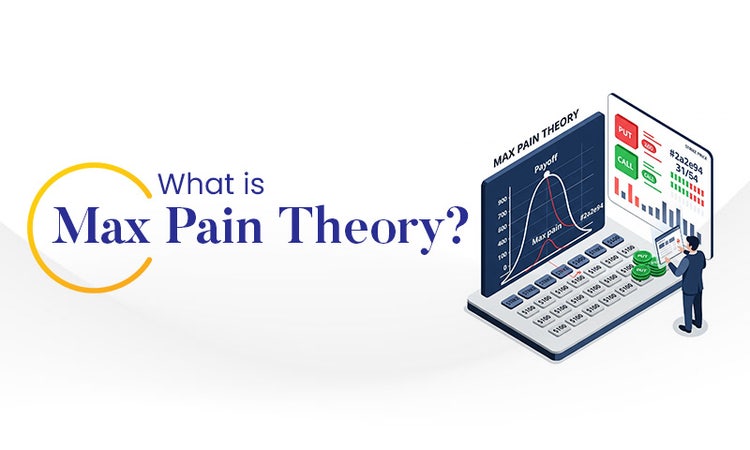
The Max Pain Theory suggests that as the options contract approaches the expiry date, the underlying asset's price, the Nifty, often drifts toward a strike price near expiry, but it's not guaranteed. This narrow price range is called the max pain Nifty level, where option sellers (writers) will have the most gain and option buyers will have the most loss. The price level causes maximum pain in trading to most option holders because their contracts expire worthless and lose value.
Why Max Pain Happens?
Generally, big players may influence prices due to their prominent positions and liquidity role.
There is a theory in the stock market called max pain. This theory indicates that Institutions may slightly sway prices, but it's more theory than fact. If you are a trader, you need to understand that price movement is inevitable, and the potential price trend can be better understood through max pain theory in options trading. We have found this especially helpful for understanding price direction approaching expiration day.
Calculating the Max Pain Point
To calculate the max pain strategy point, you need to assess the open interest of the available call and put options at the strike price. Here's how you can approach it:
- For each strike price, calculate the difference between the strike price and the current price of the underlying (Nifty).
- Multiply the in-the-money value by the open interest to estimate the total loss.
- Sum those calculations. The strike price with the highest total is the max pain Nifty level, at which the most options would have expired worthless if the asset price settled at that level.
Applying the Max Pain Strategy in Trading
So, how can you approach this max pain strategy in your trading? First, assess the max pain point for the Nifty or your selected stock. Then, as the expiration date approaches, see if the price drifts towards that max pain point. If it is significantly far from the max pain point, then you can probably expect a drift towards it, and position your trades accordingly, such as buying calls or puts, expecting this drift. In addition, you can use a max pain point to hedge your positions. For example, if you want an option far from a max pain point, you should review your positions, as the price may seem to converge to the max pain price point. That said, don't use it by itself. Use technical indicators like support and resistance, volume trends, or moving averages with max pain to develop an informed position.
Does Max Pain Theory Work?
But does max pain theory work every single time? Not necessarily. It's useful, but news or volatility can override it. For example, when an economic number is announced or a major news hit, that event can surpass the max pain effect. Max pain in trading effect is most effective in highly liquid markets, such as Nifty options, and has a lesser impact in illiquid stocks. Furthermore, the theory works best closer to expiration, so timing is essential. Use the theory wisely and avoid situations that falsely suggest low risk due to volatility and low open interest.
Conclusion
For Indian traders, the max pain theory helps you conceptualise the market, especially for indices like Nifty. In conjunction with calculating the max pain point and utilising other tools and indicators, you can account for price movements and risk management practices. Ultimately, only one piece of the entire puzzle; so, keep your feet on the ground, keep your eyes looking forward, continue learning, and use the max pain in stock market theory as one of the weapons to sharpen your trading edge in the ever-changing landscape of options trading.
Explore More: 5 tips to trade on Nifty Bank and Nifty Expiry | What is Option Pain and how can it be used in practice?